Trees We’ve Saved
Every tree has a story.
Many of the trees we are called to evaluate are already in decline—sometimes after years of buried roots, compacted soil, construction damage, or environmental stress. In many cases, the recommendation homeowners receive is simple: remove the tree.
But trees are resilient when the real problem is understood.
These projects show how careful diagnosis, root-zone restoration, and advanced preservation techniques can often stabilize and revitalize trees that others have written off. From historic landmark trees to beloved trees in private landscapes, each one represents the same goal: giving trees every possible chance to live.
The Wedding Tree
Marie Selby Botanical Gardens
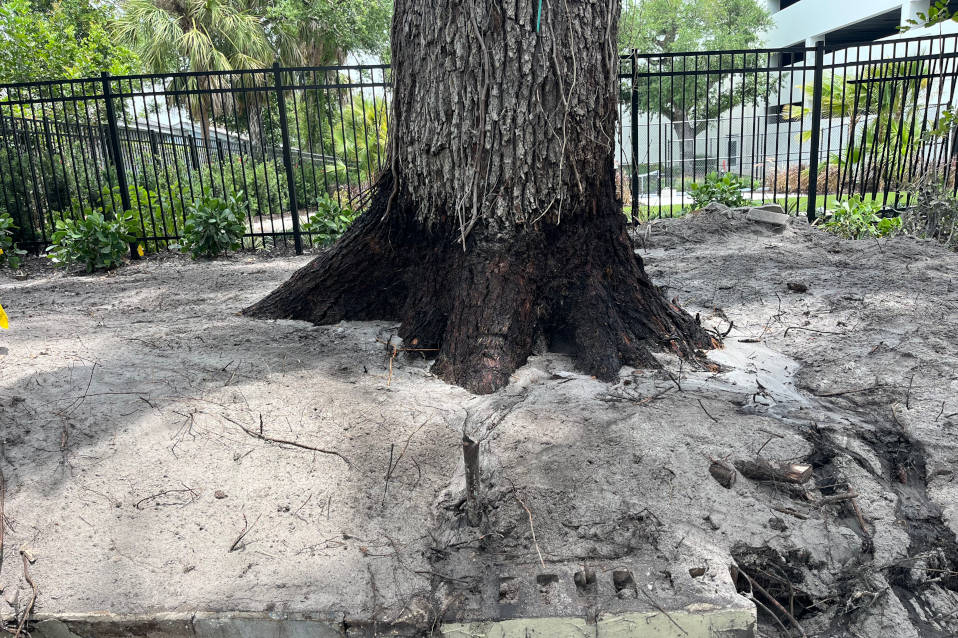
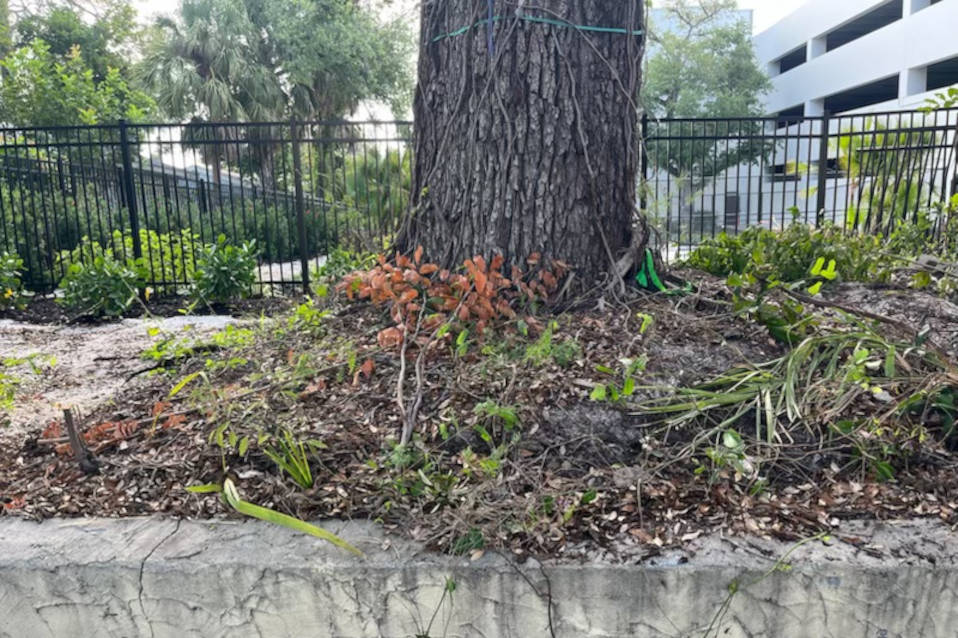
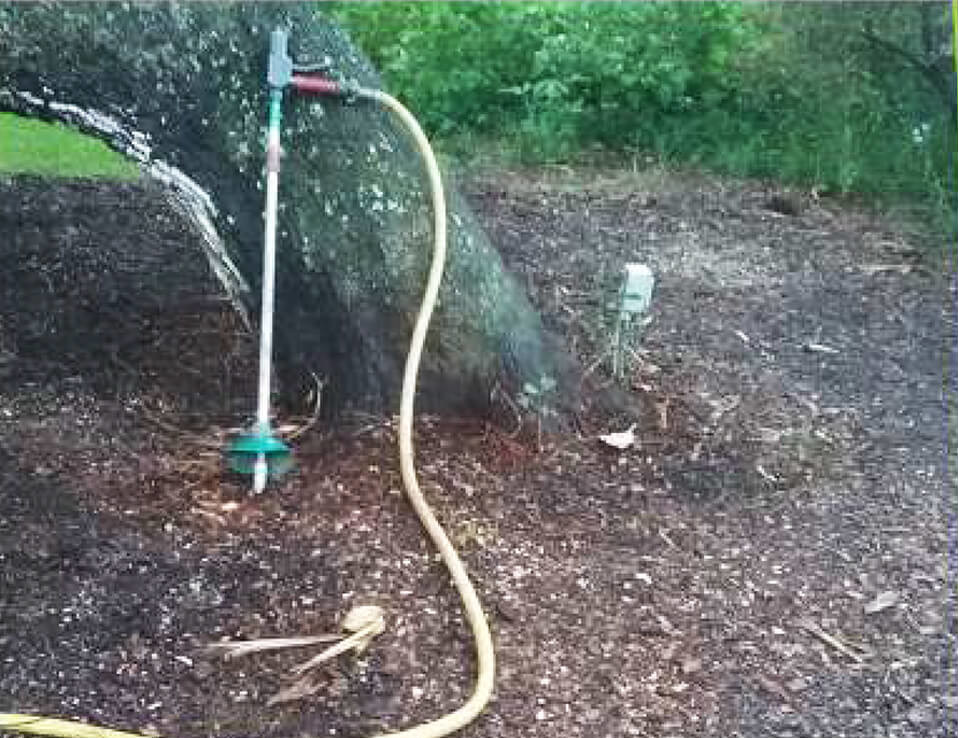
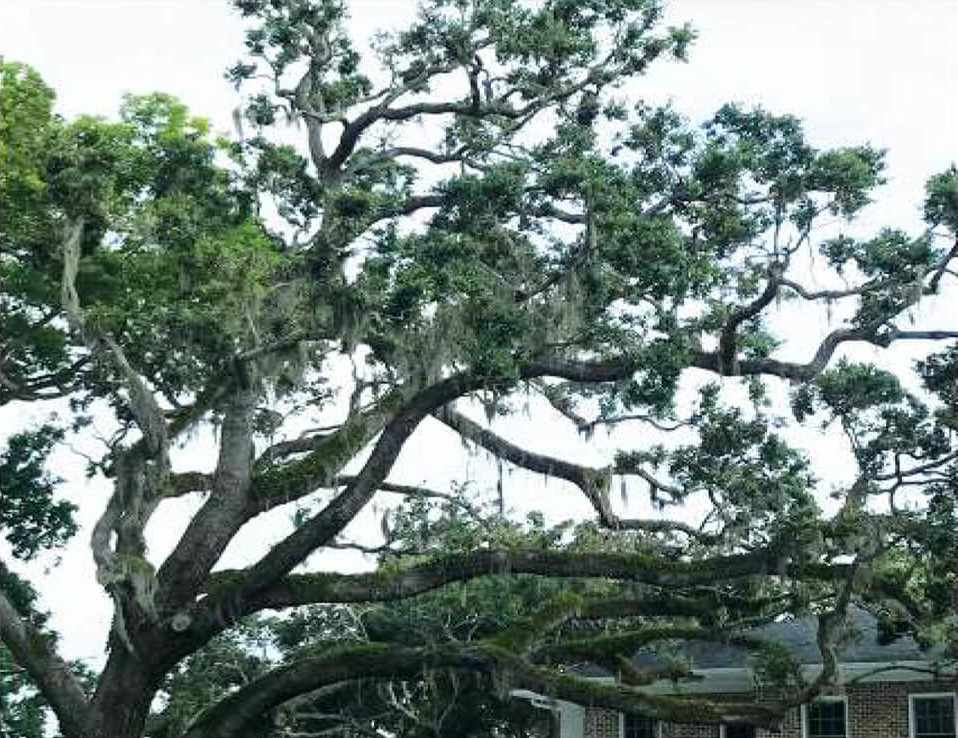
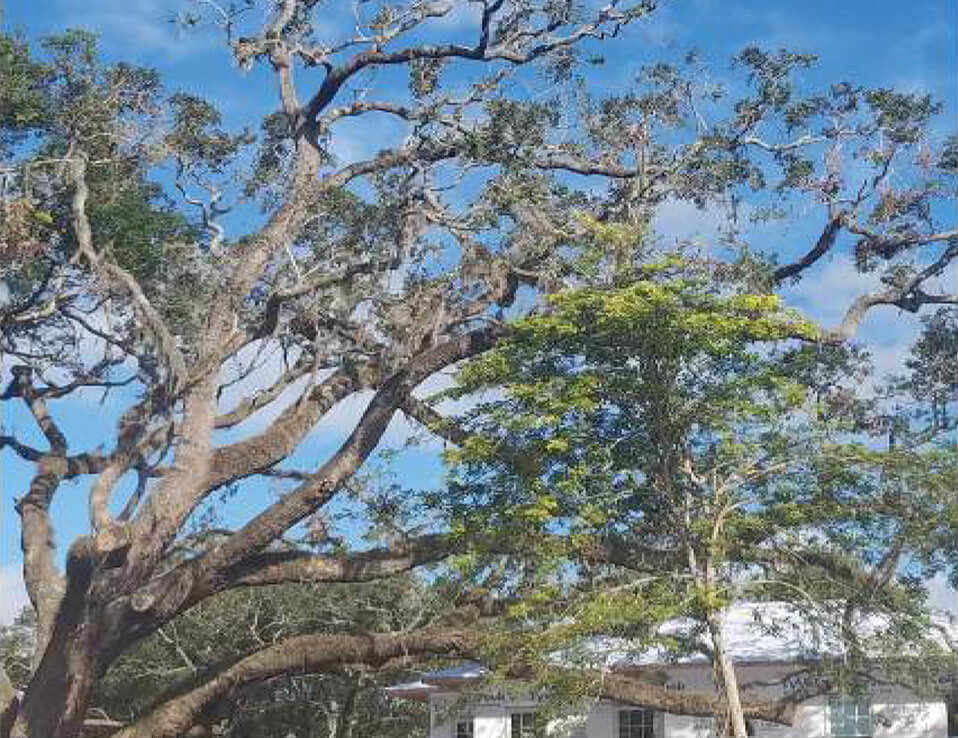
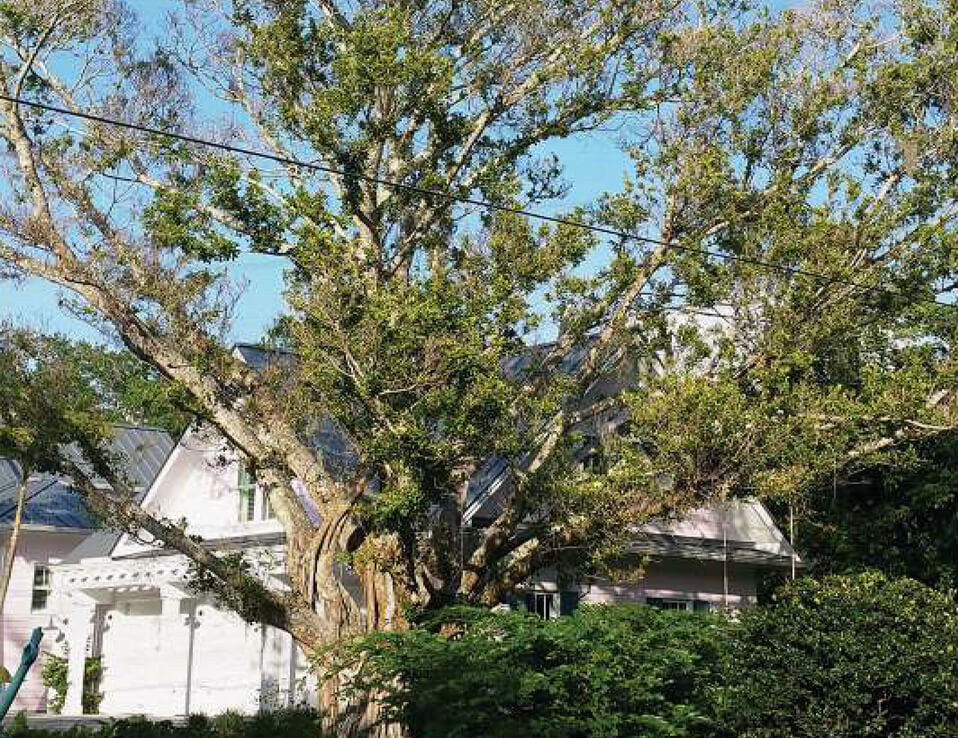
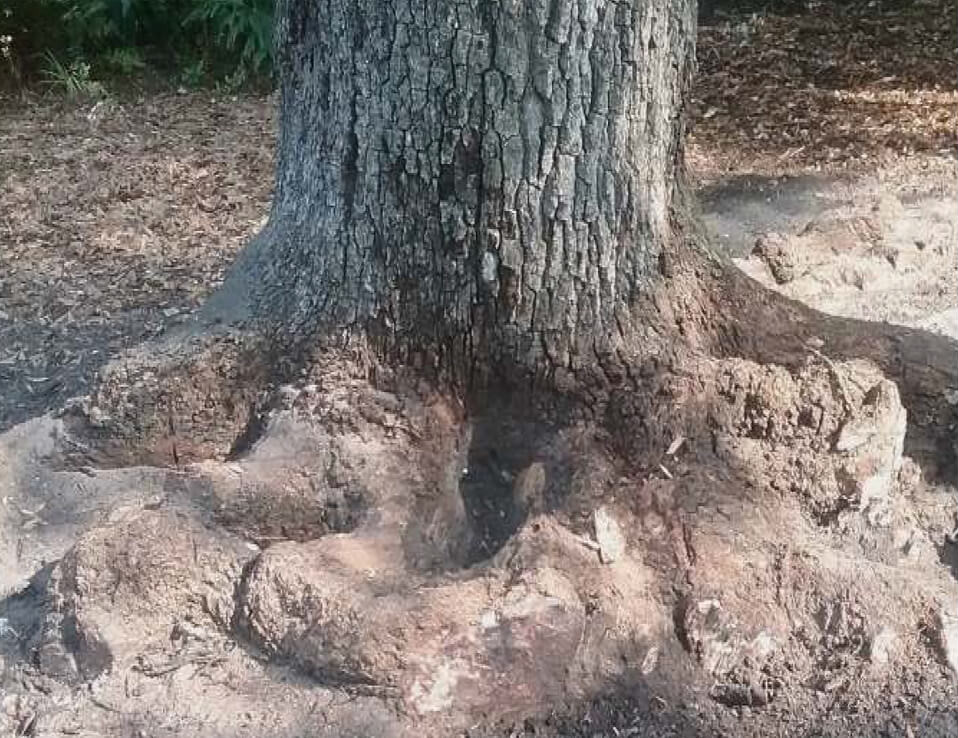
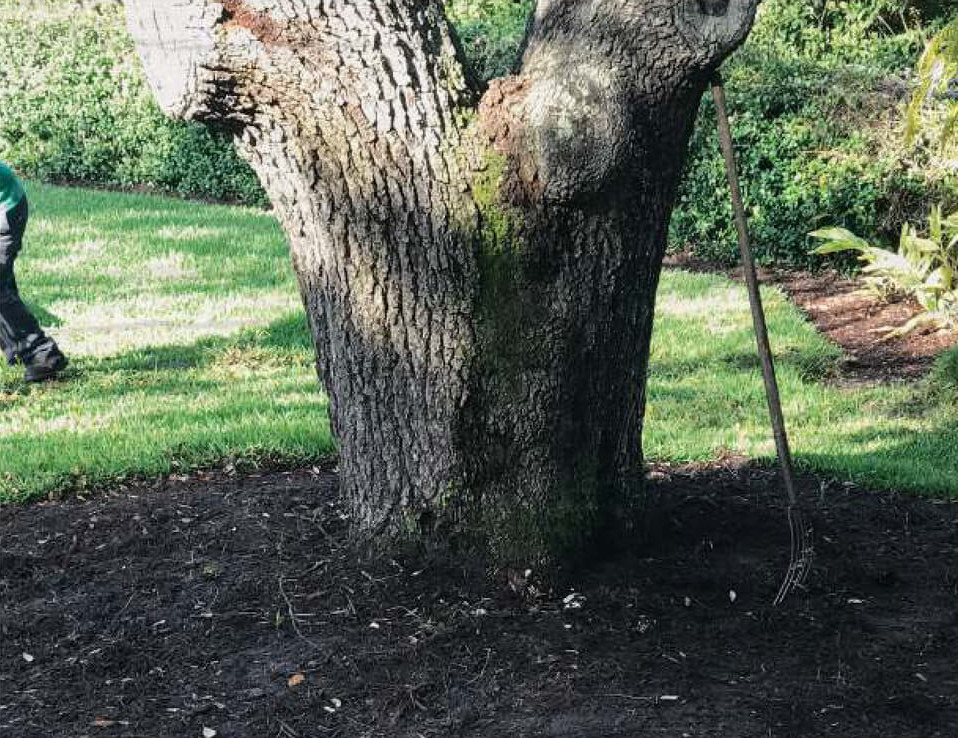
Tammy Kovar was called in to restore the historic “Wedding Tree,” a beloved live oak suffering from stem-girdling roots caused by buried root flare. Through root collar excavation, air-knife soil aeration, and biological soil treatments, the tree’s root system was restored and the tree stabilized for future generations.
The Godwin Tree
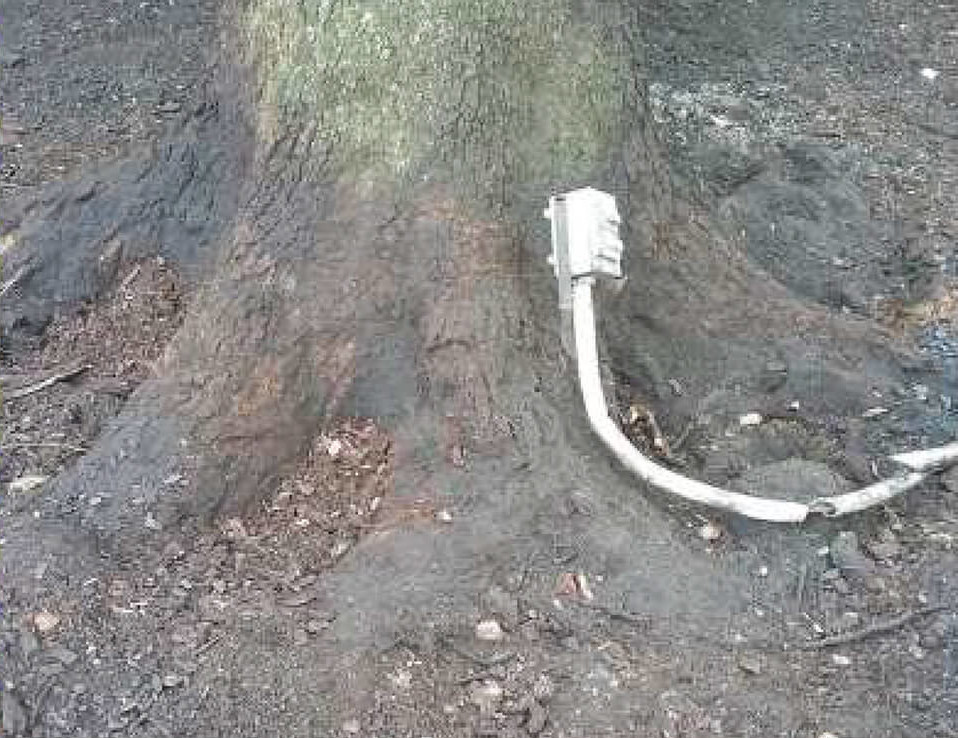
A mature oak suffering from root-zone stress was revitalized using air-knife excavation and targeted soil injections, restoring the health and structure of the tree. The treatment relieved soil compaction and improved conditions around the root flare, allowing the tree to recover and thrive.
The Lola Tree
After air-knife excavation revealed compacted soil and root stress, a multi-stage restoration process helped return “Lola” to full canopy health over the course of a year. The revitalized tree now anchors a redesigned landscape installation beneath its canopy.
The William Tree
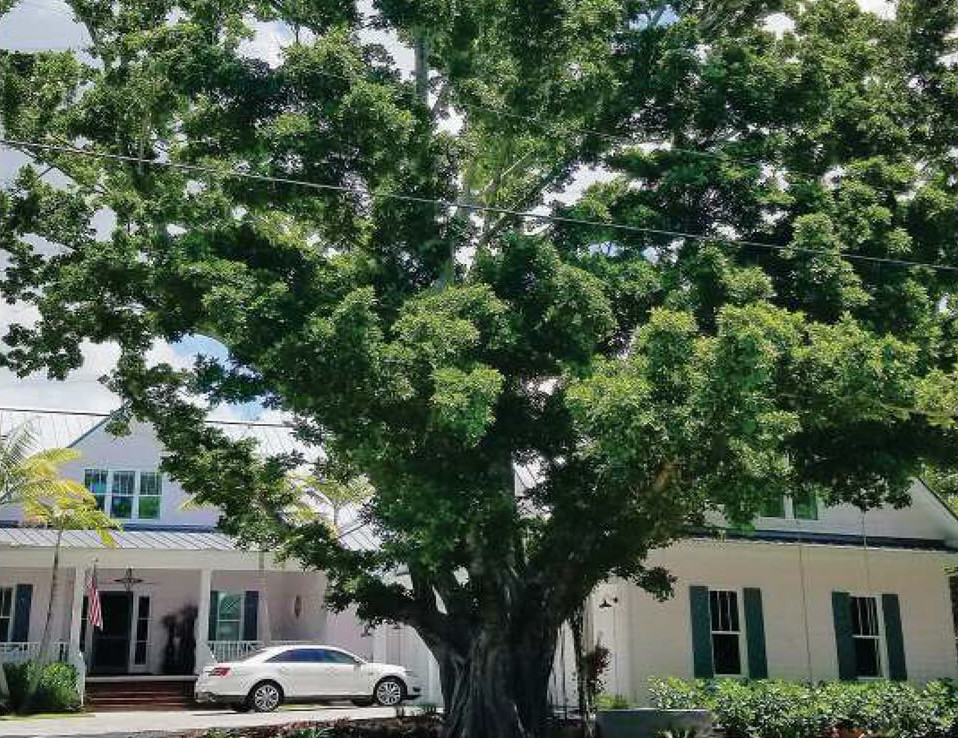
Air-knife excavation was used to uncover and restore the buried root flare of the live oak known as “William,” relieving soil compaction and improving root health. The intervention restored structural stability and renewed canopy vigor.
Aspire on 10th, Tree #3
This historic, old-growth live oak serves as part of a living centerpiece of the Aspire on 10th property in Sarasota, Florida, where meticulous arborist interventions were employed to seamlessly integrate it into the modern development. By deploying proactive root-zone protection and canopy management during construction, the project preserved the structural stability and biological health of this decades-old giant, ensuring it remains a thriving, mature focal point for the community