Services
Some companies remove trees.
We save them.
At Biological Tree Services, our work begins where most tree problems start—below the surface. Soil compaction, buried root flares, and girdling roots can quietly weaken even the most magnificent trees over time.
Led by Tammy Kovar, an ISA Certified Arborist and Florida-Friendly Landscaping™ Certified Professional, we specialize in diagnosing and correcting those hidden problems so mature trees can recover, stabilize, and thrive.
In many cases, the difference between decline and restoration is simply knowing where to look—and how to fix what’s found there.
Tree Preservation & Diagnostics
Healthy trees depend on healthy roots. When something disrupts that balance, the symptoms often appear in the canopy long after the real problem has begun underground.
Our preservation work focuses on identifying those root-zone issues early and restoring the conditions trees need to survive.
Services include:
- Tree health evaluations
- Root flare inspections
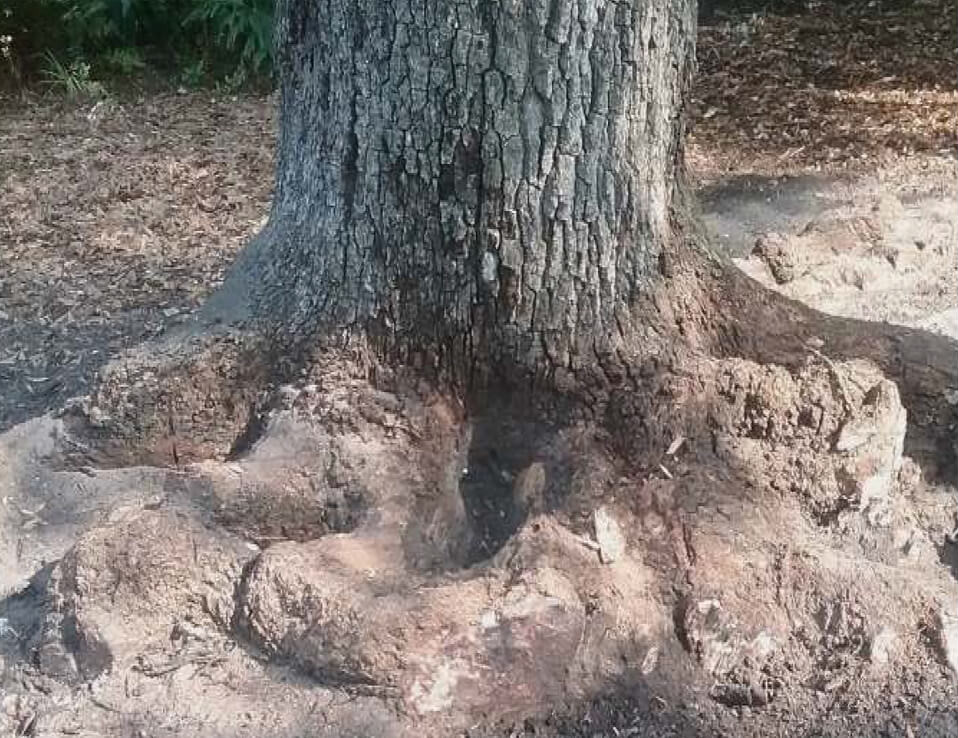
- Root collar excavation (RCE)
- Identification and removal of girdling roots
- Structural and biological tree diagnostics
When deeper investigation is required, specialized tools such as Resistograph testing can help determine internal wood density and detect hidden decay or cavities within the trunk.
This diagnostic approach allows us to determine whether a tree is structurally sound, biologically viable, and capable of long-term survival.
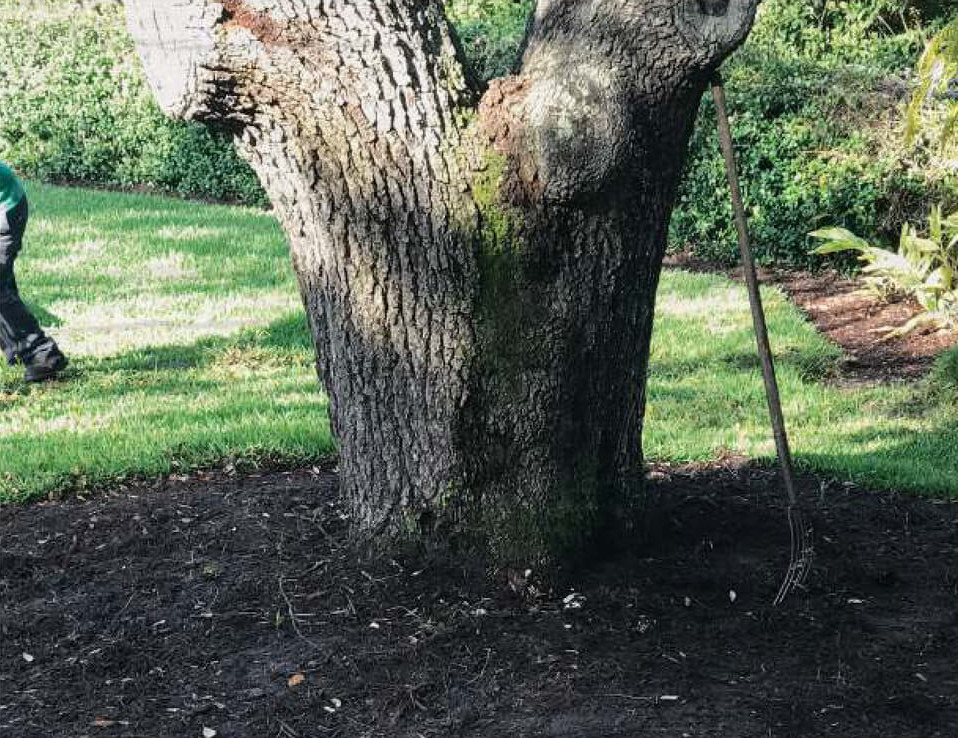
Does your tree look like this?
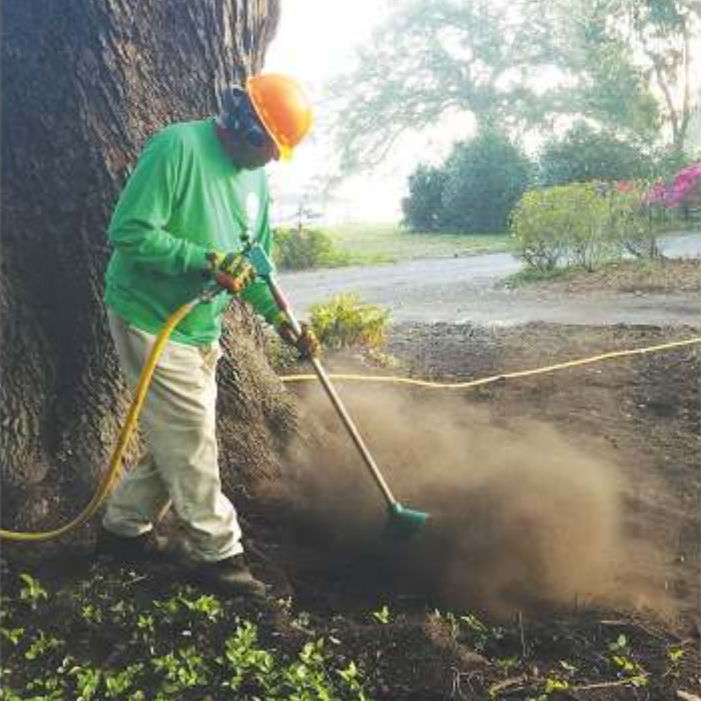
Air Knife Technology
One of the most effective tools in modern tree preservation is the air knife—a specialized device that uses compressed air to remove soil from around a tree’s roots without damaging them.
Think of it as surgery for the root zone.
Air Knife excavation allows arborists to expose buried root flares, uncover girdling roots, relieve compacted soil, and restore proper growing conditions around the tree.
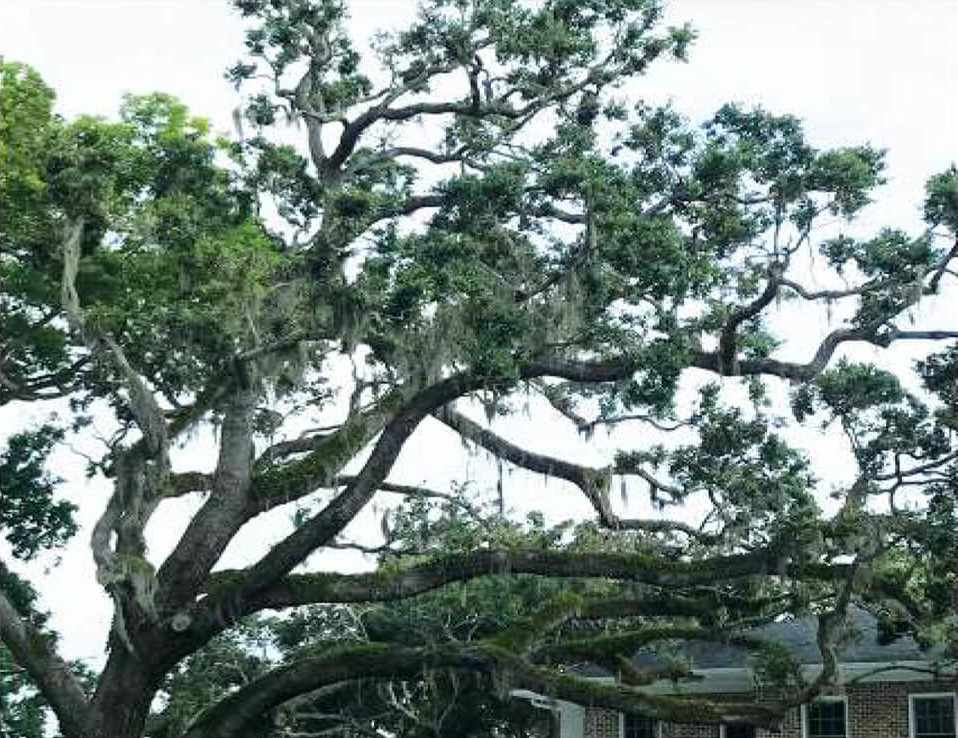
The technique played a key role in the restoration of the historic “Wedding Tree” at Marie Selby Botanical Gardens, where root collar excavation and girdling root removal helped stabilize a beloved live oak and improve its long-term health.
For trees struggling beneath the surface, this process can make the invisible visible—and correct problems before they become irreversible.
Root & Soil Restoration
Trees rely on the soil around them for oxygen, water, stability, and nutrients. In urban landscapes, those conditions are often compromised by compaction, excess soil, construction activity, or years of improper planting practices.
Root and soil restoration focuses on rebuilding that underground environment so trees can function as they were designed to.
Treatment strategies may include:
- Root collar excavation to expose buried trunk flares
- Soil aeration to relieve compaction
- Soil amendments that improve structure and nutrient availability
- Biological soil treatments that support beneficial microorganisms
When root conditions improve, trees often respond quickly—with stronger growth, healthier canopies, and improved structural stability.
Biochar & Soil Biology
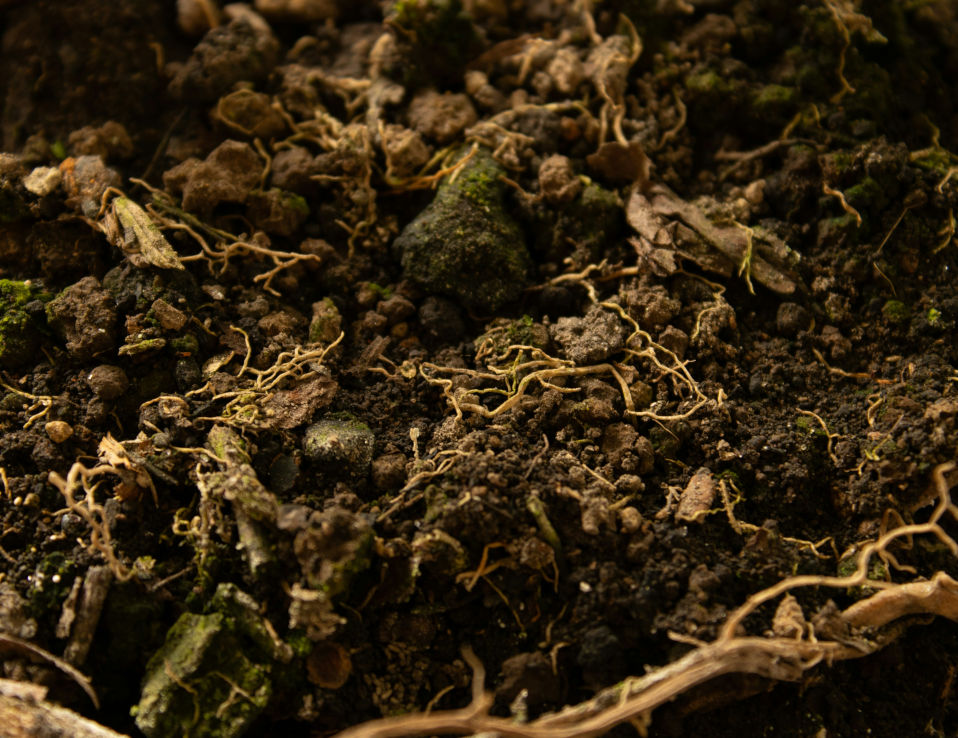
In some cases, soil restoration includes the use of biochar, a carbon-rich soil amendment that improves soil structure, water retention, and nutrient availability.
Biochar acts as a stable framework within the soil—supporting beneficial microbial activity, improving aeration, and helping roots access the oxygen and nutrients they need. In compacted or depleted urban soils, it can play an important role in rebuilding a healthier root environment over time.
Learn More
- A Case for Holistic Pruning: Prioritizing Tree Biology Over Tradition
- Soil Organic Matter Part 1: Why it Matters to Soil, Trees, and the Environment CEU Quiz
Florida-Friendly Landscaping
While tree preservation is our primary focus, Biological Tree Services also offers Florida-Friendly landscape consulting designed to support long-term tree health and ecological balance.
This approach emphasizes plant selections and landscape practices that work with Florida’s climate and soils while minimizing unnecessary inputs.
Services may include:
- Guidance on native and Florida-adapted plantings
- Landscape designs that support healthy tree root zones
- Proper mulching and planting practices
- Sustainable landscape strategies that protect mature trees
When designed thoughtfully, landscapes can enhance the health and longevity of the trees that define a property.
The 9 Principles of Florida-Friendly Landscaping™
The University of Florida's Florida-Friendly Landscaping Program emphasizes nine key principles that guide homeowners in creating sustainable landscapes, summarized here:
1. Right Plant, Right Place
Choose plants that are well-suited to the local environment to minimize water and maintenance needs.
2. Water Efficiently
Implement irrigation practices that conserve water, such as using rain sensors and drip irrigation.
3. Fertilize Appropriately
Use fertilizers judiciously to prevent runoff and protect water quality.
4. Mulch
Apply mulch to retain moisture, suppress weeds, and improve soil health.
5. Attract Wildlife
Incorporate native plants to support local wildlife, including pollinators and beneficial insects.
6. Manage Yard Pests Responsibly
Use integrated pest management techniques to control pests while minimizing chemical use.
7. Recycle Yard Waste
Compost yard waste to reduce landfill contributions and enrich soil.
8. Reduce Stormwater Runoff
Design landscapes to allow water to soak into the ground, reducing erosion and pollution.
9. Protect the Waterfront
Implement practices that protect water bodies from pollution and habitat degradation.