
Promote a Healthy Landscape
Our services are aimed at promoting a healthy landscape, through our organic, biological and natural-based products and well-structured treatment plans.
-

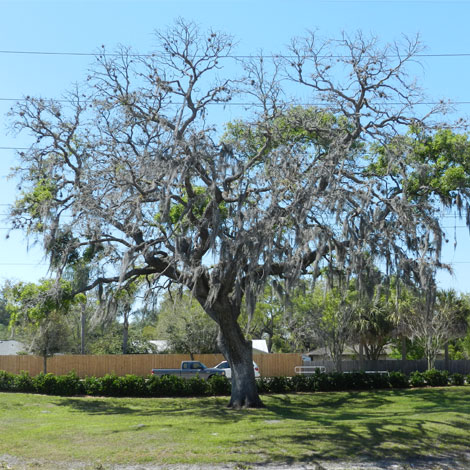
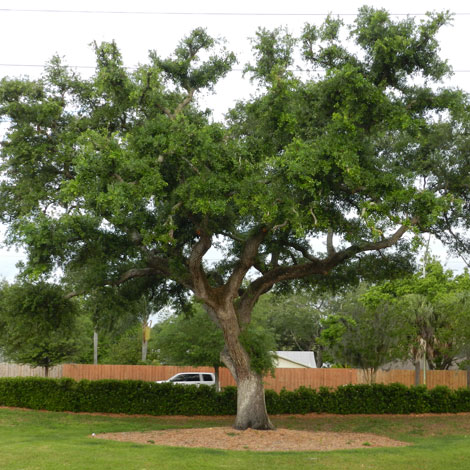
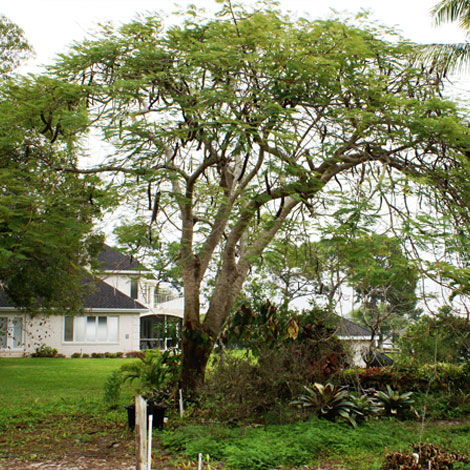
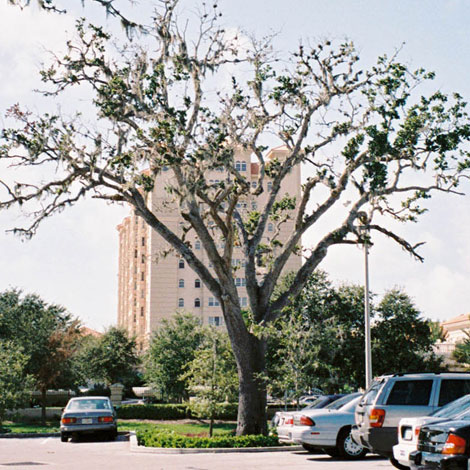
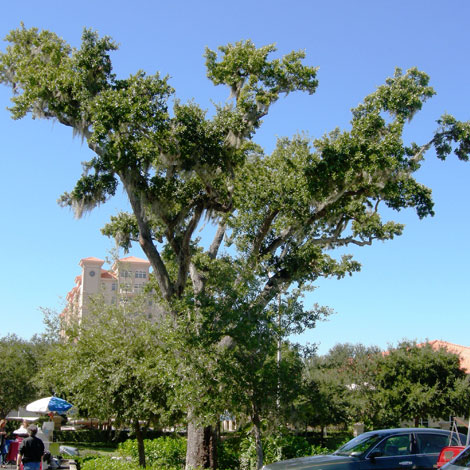
Before Oak Tree After
-
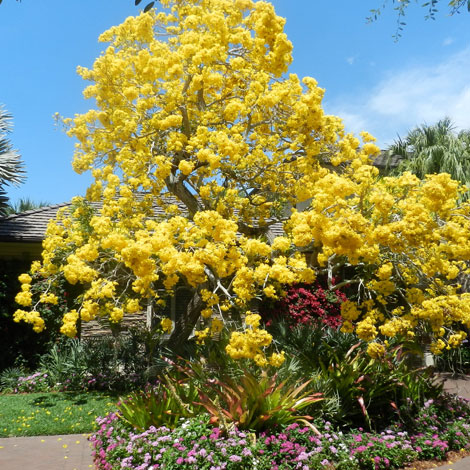
Before Yellow Tabebuia After
-
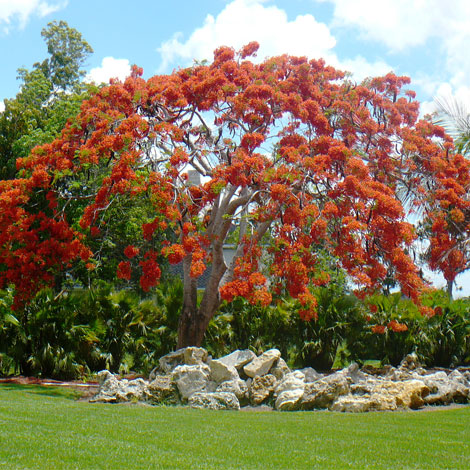
Before Royal Poinciana After
-
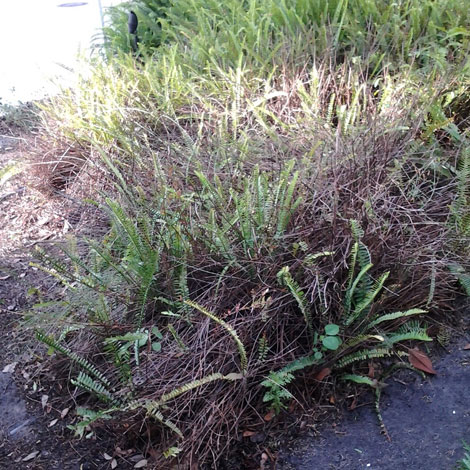
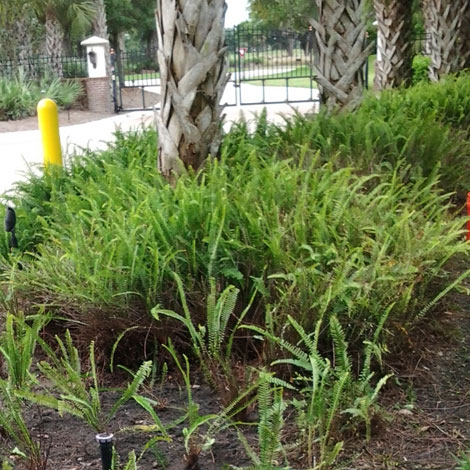
Before Ferns After
-
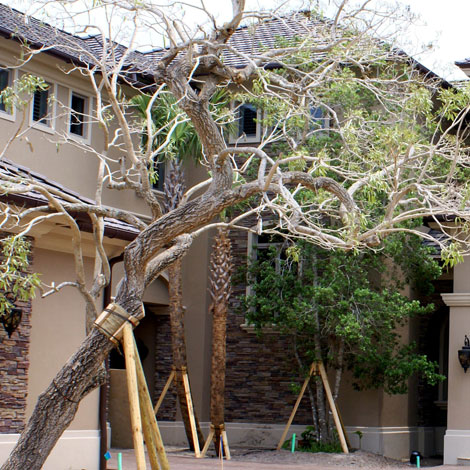
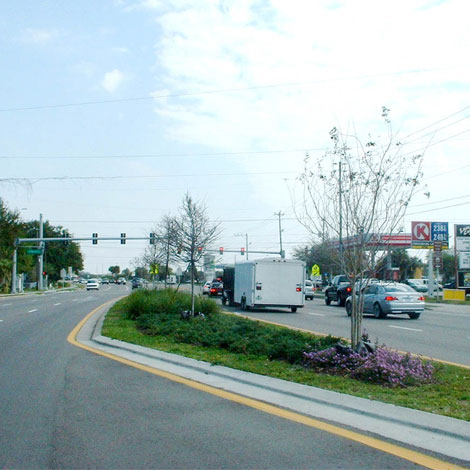
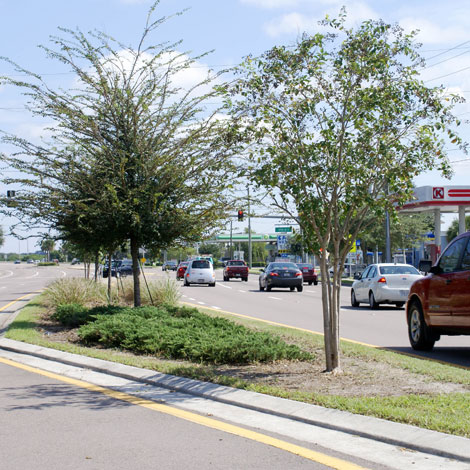
Before Tree After
-
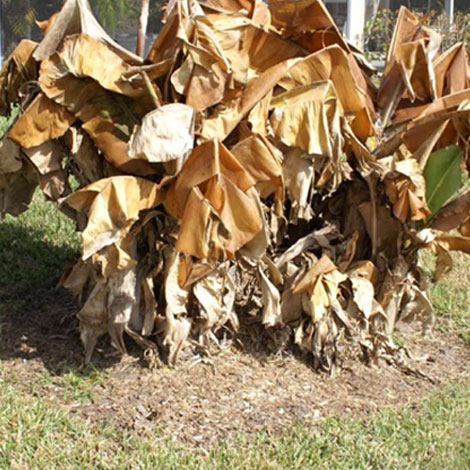
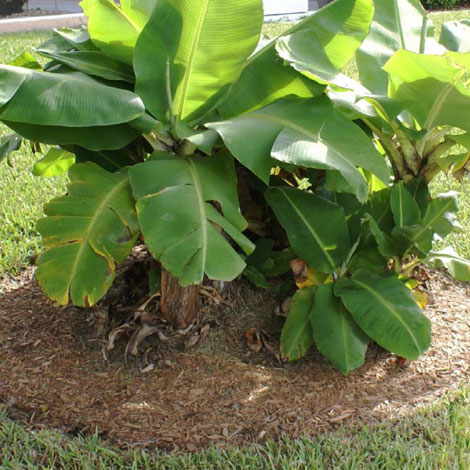
Before Island After
-
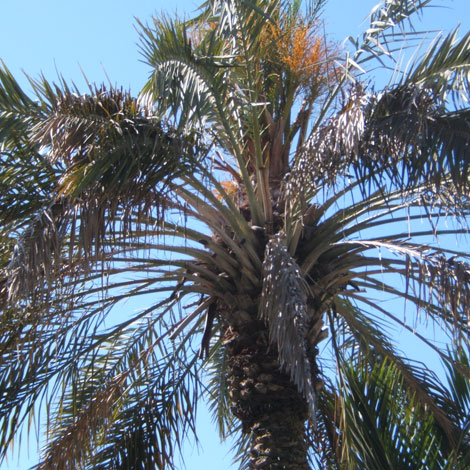
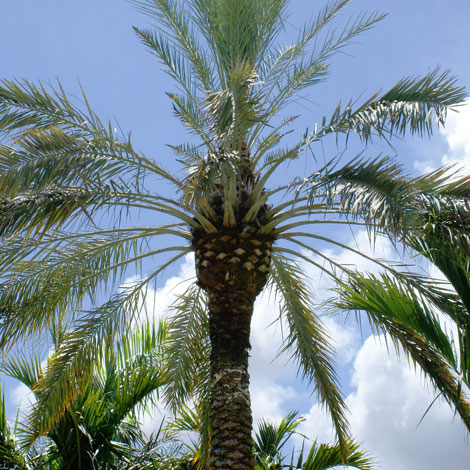
Before Royal Palm After
-
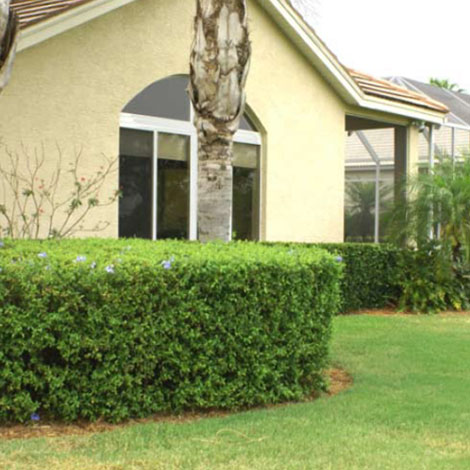
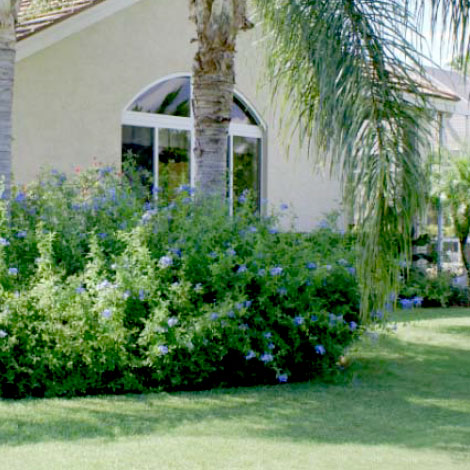
Before Turf and Bed After
-
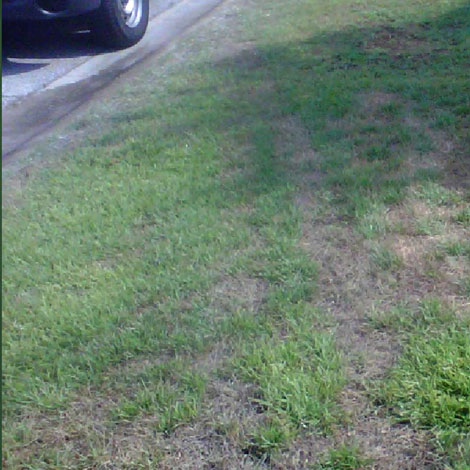
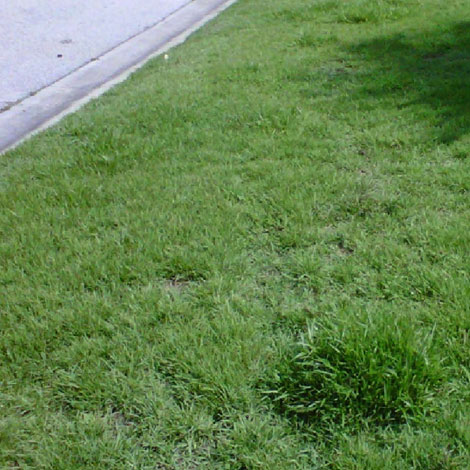
Before Zoysia Grass After
-
Before Turf and Bed After
Services to Enhance Your Landscape
Stress Recovery Solutions
Trees have more stress and become weakened in urban developments due to less available water, nutrients and organic matter, as well as, construction damage, poor fertilization techniques, improper watering, storm damage and transplant shock. Our treatment plans are designed to rejuvenate stressed trees.
Root Inoculation
Restoration of root functionality, through inoculation and drench, works to reestablish the root relationship with natural symbiotic partners like mycorrhizal fungi, beneficial bacteria, biostimulants and biofertilizers.
Replanting Damaged Landscapes
To restore natural beauty, landscapes damaged by construction, storms, flood or other natural disasters may require new plantings of trees, shrubs, ground cover and flowers. Proper planting techniques, combined with good biological treatments, can significantly reduce transplant shock and improve planting success, reducing establishment time.
Custom Care Programs
We begin every rejuvenation project with a soil test program to evaluate your specific property for soil pH, soil profile, soil nutrient levels and any issues that may affect the plant’s health. We utilize this test to formulate your custom care program to provide you the optimum results. We then provide a copy of your soil test and written explanation.
ArborJet Trunk Injection Treatments
Arborjet trunk injection equipment injects formulations directly into a trees trunk and vascular system.
Researchers have concluded that Arborjet trunk-injected systemic insecticides are the most effective treatment options, providing very effective control, with a single application, even under heavy infestation pressure. It may also provide a higher level of control than other products .
This direct method limits any impact to your family, the applicator, and the environment around you.
Integrated Pest Management (IPM)
Our Integrated Pest Management (IPM) services to deal with chili thrips, chinch bugs, nematodes, invasive weeds and many other common Florida pests. Our IPM services focus on working with, and aiding nature to reduce these pest populations, while reducing and minimizing the use of chemicals and harsh pesticides which can have a devastating effect on our waterways.
Turf, Tree, Palm and Shrub Drench Application
We can help your yard recover from frost damage with our drench application. It is a spray solution containing beneficial root simulating bacteria, organic biostimulants, micronutrients, VAM fungi colonizing root booster hormone and potassium. This biologically active sustainable mixture relieves stress, activates the root system and enables your turf and landscape to recover from damage more quickly
Environmentally Friendly Natural Products
Mycorrhizal Fungi
Known as Nature’s Stress Manager, this family of beneficial fungi live in and around the roots of 95% of the earth’s plants, serving as a secondary root system, extending themselves far out into the soil. Mycorrhizae extract mineral elements and water from soil for their host plant and live off the plant’s sugars. Trees and plants with thriving “mycorrhizal roots” systems are better able to survive and thrive in stressful man-made environments.
Beneficial Soil Microbes and Bacteria
Beneficial bacteria, known as Microbes, promote healthy plant growth and protect plant root systems from soil borne diseases. While common in natural forest settings, their populations are very low or absent in nursery potting soils, urban environments and disturbed man-made landscapes. These beneficial bacteria help make essential soil mineral elements available to plants, decompose organic matter and improve physical properties of the soil. Over time, trees, flowers and lawns with an abundance of microbial bacteria live longer, grow profusely and need less chemical treatment and fertilization.
Organic and Natural-Based Fertilizers
Fertilizers provide additional supplies of nutrients for plants. Without a strong soil profile of microbial bacteria and a suitable pH factor, fertilizers can leach and pollute aquifers. Fertilizers provide a balanced nutrient ration to provide frequent application for plant color and growth. Organic fertilizer bases utilize microbes from protein meal, fish emulsion, blood and bone meal, sludge or poultry manure as organic additions for soil health. The value is improved soil structure, additional microbe populations, and lower inputs of nitrogen and phosphorous. More nutrient value is utilized properly, providing better color over a longer period and slow, manageable growth and root development.
Soil pH Minerals
Applications of Lime, sulfur, or gypsum provide minor nutrients to the soil while correcting the pH of the soil. This correction of pH is essential to assist the soil to provide all available nutrients to the plant. Each plant survives best in a soil pH similar to its native preference; an optimum soil pH yields optimum growth.
Purchase Our Products

Our field-proven environmentally friendly products are available through our storefront, located in Lakewood Ranch, as well as online.
Want to learn more?
Contact us today to schedule a consultation to learn how you can start promoting a health landscape on your property with our eco-friendly products and services.